The Ultimate Guide To Companion Planting For A Healthy Productive Garden
The Ultimate Guide to Companion Planting for a Healthy Productive Garden
Companion planting is a gardening practice that involves planting different types of plants together to benefit each other. By carefully selecting which plants to grow near each other, you can improve your garden's health, productivity, and pest resistance.
In this guide, we will discuss the basics of companion planting, as well as some of the most beneficial plant combinations. We will also provide tips on how to get started with companion planting in your own garden.
What is Companion Planting?
The idea behind companion planting is that certain plants can help each other in a variety of ways. For example, some plants can attract beneficial insects that help to control pests, while others can suppress the growth of weeds. Some plants can also improve the soil quality or provide shade and shelter for other plants.
By planting the right plants together, you can create a balanced ecosystem in your garden that will help your plants thrive.
Benefits of Companion Planting
There are many benefits to companion planting, including:
- Increased crop yields: Companion planting can help to increase the yield of your crops by improving their health and productivity.
- Reduced pest and disease problems: Companion planting can help to attract beneficial insects that prey on pests, as well as suppress the growth of weeds. This can help to reduce your reliance on pesticides and herbicides.
- Improved soil health: Companion planting can help to improve the soil quality by adding nutrients, reducing compaction, and increasing drainage.
- Increased biodiversity: Companion planting can help to increase the biodiversity of your garden by attracting a variety of beneficial insects, birds, and other animals.
How to Get Started with Companion Planting
If you are new to companion planting, there are a few things you can do to get started:
- Do your research. There are many resources available that can help you learn about the best companion plant combinations.
- Start small. Don't try to do everything at once. Start by planting a few companion plants in your garden and see how they do.
- Be patient. It takes time to see the full benefits of companion planting. Don't get discouraged if you don't see results immediately.
Here are some of the most beneficial companion plant combinations:
- Beans and corn: Beans fix nitrogen in the soil, which corn needs to grow. Corn provides shade and support for beans.

- Carrots and tomatoes: Carrots deter pests that attack tomatoes, such as nematodes and tomato hornworms. Tomatoes provide shade for carrots.
- Cucumbers and melons: Cucumbers and melons attract pollinators, which help to improve the yield of both plants. Cucumbers also help to suppress the growth of weeds.

- Herbs and vegetables: Herbs can help to repel pests and attract beneficial insects. They can also add flavor to your vegetables. Some good herb-vegetable combinations include:
- Basil and tomatoes
- Chives and beans
- Dill and carrots
- Mint and cabbage
- Marigolds and roses
Conclusion
Companion planting is a simple and effective way to improve the health, productivity, and pest resistance of your garden. By planting the right plants together, you can create a balanced ecosystem that will benefit all of your plants.
If you are new to companion planting, don't be afraid to start small. Do some research, plant a few companion plants in your garden, and see how they do. You may be surprised at how much of a difference they can make.
Do you want to grow a healthy and productive garden? If so, you need to know about companion planting. Companion planting is the practice of planting different types of plants together in a way that benefits both plants. Some plants, for example, can help to repel pests or attract beneficial insects. Others can help to improve the soil quality or provide shade for more delicate plants.
If you're new to companion planting, you can find a wealth of information on the Garden Wiki. This website has a comprehensive guide to companion planting, as well as a database of plant profiles that show which plants are compatible with each other. You can also find articles on specific topics, such as how to repel pests with companion planting or how to improve soil quality.
The Garden Wiki is a great resource for anyone who wants to learn more about companion planting. The information is clear and easy to understand, and the website is well-organized. Whether you're a beginner or an experienced gardener, you're sure to find something useful on the Garden Wiki.
FAQ of garden planting companion guide
- What is companion planting?
Companion planting is a gardening technique that involves planting certain types of plants together to benefit each other. Some companion plants can attract beneficial insects, deter pests, or improve the soil quality. For example, planting tomatoes near basil can help to deter tomato hornworms, while planting carrots near onions can help to repel carrot flies.
- How close should companion plants be planted?
The ideal distance between companion plants will vary depending on the specific plants involved. However, as a general rule of thumb, plants that have known beneficial relationships (friends) should be planted within two or three rows of each other.
- How many plants should a beginner have?
Experienced gardeners and growers suggest starting out with 2-3 different types of plants and then going from there. This will give you a chance to get a feel for gardening and to see what types of plants you enjoy growing and eating. As you gain more experience, you can gradually add more plants to your garden.
- What are some good companion plants for tomatoes?
Some good companion plants for tomatoes include basil, beans, carrots, marigolds, nasturtiums, and peppers. Basil helps to deter tomato hornworms, beans fix nitrogen in the soil, carrots help to repel carrot flies, marigolds repel nematodes, nasturtiums attract beneficial insects, and peppers help to deter whiteflies.
- What are some good companion plants for cucumbers?
Some good companion plants for cucumbers include beans, carrots, lettuce, melons, onions, and radishes. Beans fix nitrogen in the soil, carrots help to repel cucumber beetles, lettuce helps to suppress weeds, melons help to shade the soil and prevent it from drying out, onions help to repel aphids, and radishes help to improve the drainage of the soil.
Image of garden planting companion guide
5 different images of "garden planting companion guide" from Pinterest:
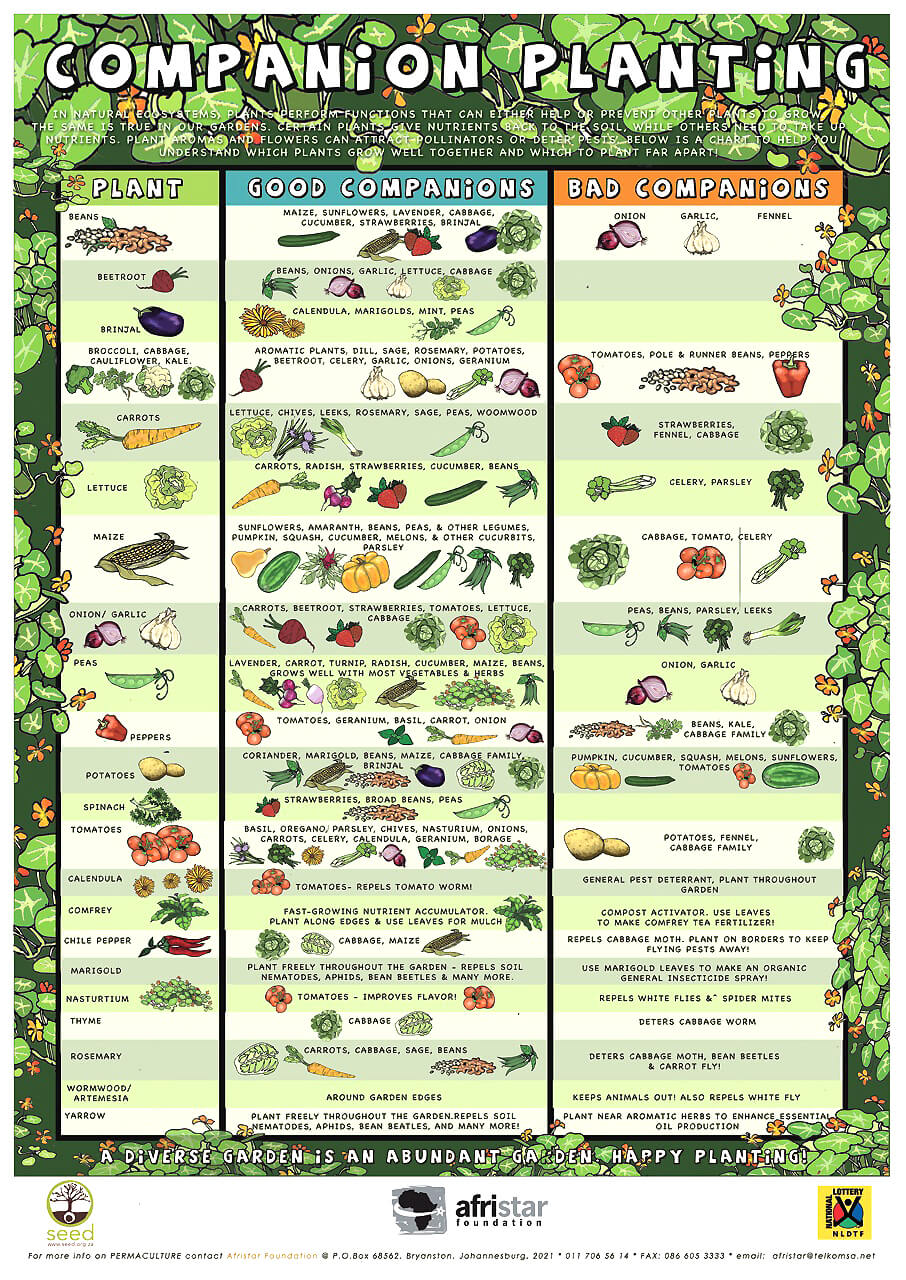
- Image 1: A colorful infographic that shows which vegetables and herbs can be planted together. The infographic also includes information about the benefits of companion planting, such as attracting beneficial insects and repelling pests.
- Image 2: A photo of a garden bed with different vegetables and herbs planted together. The caption of the photo explains how the plants in the bed are beneficial to each other.
- Image 3: A screenshot of a website that lists different companion plants for specific vegetables. The website also includes information about the benefits of each companion plant.

- Image 4: A book titled "The Vegetable Gardener's Companion Planting Guide". The book covers a wide range of companion planting topics, including which plants to grow together, how to attract beneficial insects, and how to repel pests.
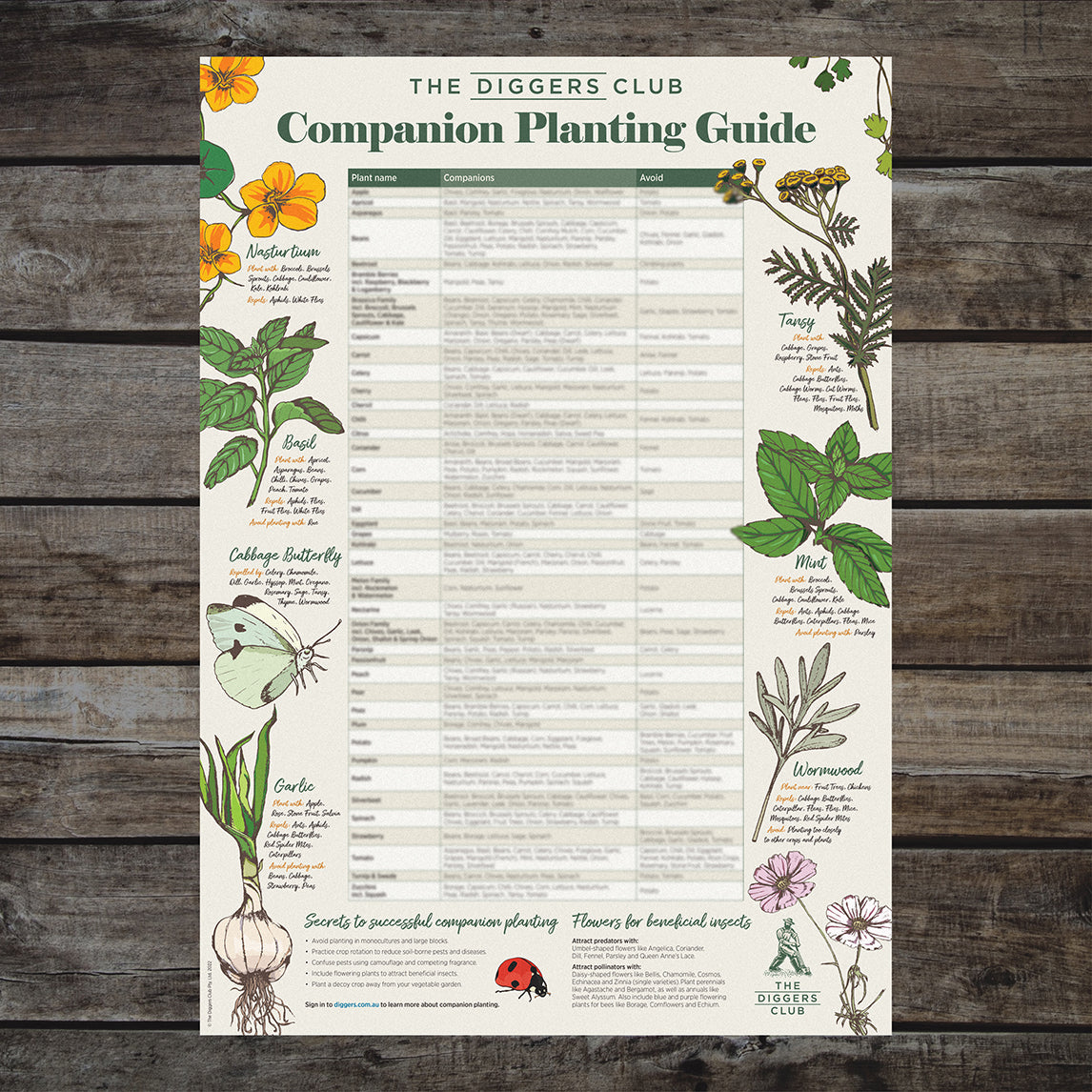
- Image 5: A PDF document titled "Companion Planting Chart". The chart lists different vegetables and herbs, as well as their companion plants. The chart also includes information about the benefits of each companion plant combination.


Post a Comment for "The Ultimate Guide To Companion Planting For A Healthy Productive Garden"