Beans And Onions: The Perfect Companion Planting
Beans and Onions: The Perfect Companion Planting
Beans and onions are two of the most popular vegetables grown in gardens, and for good reason. They are both delicious, versatile, and relatively easy to grow. But did you know that they can also benefit each other when planted together?
In this blog post, we will explore the benefits of companion planting beans and onions. We will also discuss some of the best ways to plant them together, as well as some of the potential drawbacks.
Introduction
Companion planting is a gardening technique that involves planting different types of plants together in order to create a mutually beneficial relationship. Some plants can help to attract beneficial insects, deter pests, or improve the soil quality. When plants are chosen carefully, they can help each other to thrive.
Beans and onions are two plants that are often recommended for companion planting. Beans are legumes, which means that they can fix nitrogen in the soil. This is a valuable nutrient for all plants, but it is especially important for onions, which are heavy feeders. By planting beans near onions, you can help to improve the soil quality and boost the growth of both plants.
Benefits of Companion Planting Beans and Onions
There are several benefits to companion planting beans and onions. Here are a few of the most important:
- Beans fix nitrogen in the soil, which benefits onions. Onions are heavy feeders, so they benefit from the extra nitrogen that beans provide. This can help to improve the growth and yield of onions.
- Onions repel pests that can damage beans. Onions have a strong scent that can repel pests such as aphids, beetles, and spider mites. This can help to protect beans from damage and reduce the need for pesticides.
- Beans provide shade for onions. Onions can be sensitive to the sun, so planting them near beans can help to provide some shade and protect them from sunburn.
- Beans and onions can both attract beneficial insects. Both beans and onions attract beneficial insects such as ladybugs, lacewings, and parasitic wasps. These insects help to control pests, which can further benefit both plants.
How to Plant Beans and Onions Together
When planting beans and onions together, there are a few things to keep in mind. First, make sure that you plant the right type of beans and onions. Pole beans need more space than bush beans, so if you are limited on space, choose bush beans. Onions can be planted in full sun or partial shade, but they will produce better in full sun.
Second, consider the spacing between the plants. Beans need about 18 inches of space between plants, while onions need about 6 inches of space. If you are planting both beans and onions in the same row, stagger the rows so that the plants do not shade each other.
Finally, fertilize the plants regularly. Beans and onions both need a lot of nutrients, so fertilize them every few weeks with a balanced fertilizer.
Potential Drawbacks of Companion Planting Beans and Onions
While there are many benefits to companion planting beans and onions, there are a few potential drawbacks to consider. First, beans can attract nematodes, which are microscopic worms that can damage plant roots. If you have a problem with nematodes in your garden, you may want to avoid planting beans near onions.
Second, onions can suppress the growth of some other plants, such as carrots and tomatoes. If you are planning to plant beans near these vegetables, you may want to space them farther apart or consider planting them in separate areas of your garden.
Conclusion
Overall, companion planting beans and onions is a great way to improve the growth and yield of both plants. By planting them together, you can take advantage of their natural benefits and create a more productive garden.
For more information about beans and onions companion planting, please visit Home Gardening.
FAQ of beans and onions companion planting
- Can beans and onions be planted together?
No, beans and onions should not be planted together. Onions release a substance that can inhibit the growth of beans. This is because beans are legumes, and they rely on a symbiotic relationship with bacteria in the soil to fix nitrogen. Onions can kill these bacteria, which can stunt the growth of the beans.
- What are some good companion plants for beans?
Some good companion plants for beans include:
* Corn: Corn provides support for pole beans, and beans help to fix nitrogen in the soil, which corn needs.
* Spinach: Spinach helps to suppress weeds and attract beneficial insects, both of which can benefit beans.
* Marigolds: Marigolds help to repel pests, such as aphids and beetles, which can damage beans.
* Nasturtiums: Nasturtiums attract beneficial insects, such as ladybugs and hoverflies, which help to control pests.
* Lettuce: Lettuce can be planted between rows of beans to help shade the soil and prevent weeds from growing.
- What are some good companion plants for onions?
Some good companion plants for onions include:
* Carrots: Carrots help to repel pests, such as carrot fly, which can damage onions.
* Cabbage: Cabbage helps to repel pests, such as cabbage root fly, which can damage onions.
* Tomatoes: Tomatoes help to repel pests, such as tomato hornworm, which can damage onions.
* Garlic: Garlic helps to repel pests, such as aphids and beetles, which can damage onions.
* Chives: Chives help to repel pests, such as aphids and beetles, which can damage onions.
- What are some of the benefits of companion planting?
There are many benefits to companion planting, including:
* Increased crop yields: Companion plants can help to attract beneficial insects, which can help to control pests and diseases. They can also help to suppress weeds and improve soil fertility.
* Improved plant health: Companion plants can help to protect each other from pests and diseases. They can also help to improve the overall health of the plants by attracting beneficial insects and providing shade or windbreaks.
* Reduced maintenance: Companion planting can help to reduce the amount of time and effort that you need to spend on gardening. For example, companion plants that attract beneficial insects can help to control pests, which means that you may not need to use as many pesticides.
- How do I choose companion plants for my garden?
When choosing companion plants, there are a few things to keep in mind:
* The plants' growth habits: Some plants, such as beans and corn, need a lot of space to grow. Others, such as lettuce and spinach, can be grown in closer proximity.
* The plants' nutrient needs: Some plants, such as tomatoes, are heavy feeders. Others, such as beans, are nitrogen fixers and can help to improve the soil fertility.
* The plants' pest and disease resistance: Some plants are more susceptible to pests and diseases than others. By planting companion plants that have complementary pest and disease resistance, you can help to protect your plants from harm.
* The plants' aesthetic appeal: If you're planting your garden for beauty as well as productivity, you'll want to choose companion plants that complement each other's appearance.
Image of beans and onions companion planting
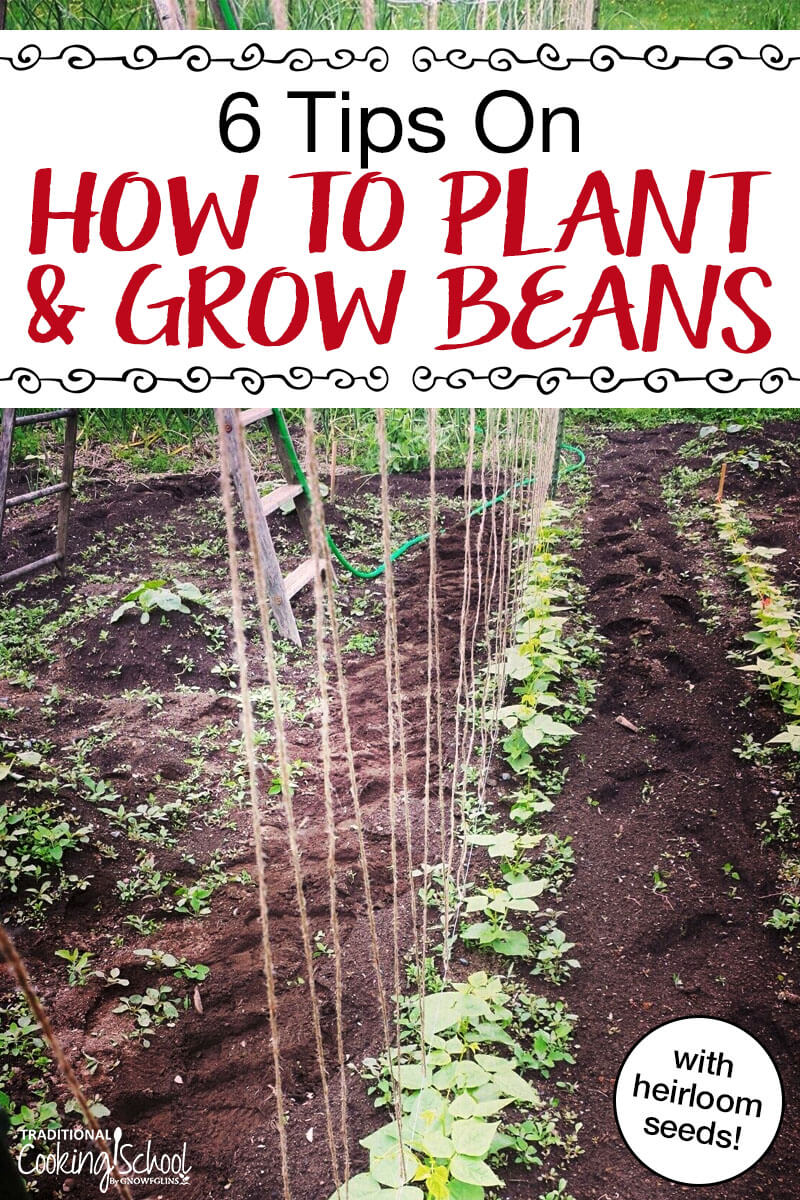
- Beans and onions planted in a raised bed. The beans are climbing up a trellis, while the onions are growing in the ground below.

- Beans and onions planted in a container. The beans are in the bottom of the container, while the onions are in the top.
- Beans and onions planted in a garden bed. The beans are planted on one side of the bed, while the onions are planted on the other side.

- Beans and onions planted in a checkerboard pattern. This pattern helps to maximize space and allows both plants to get the sunlight they need.
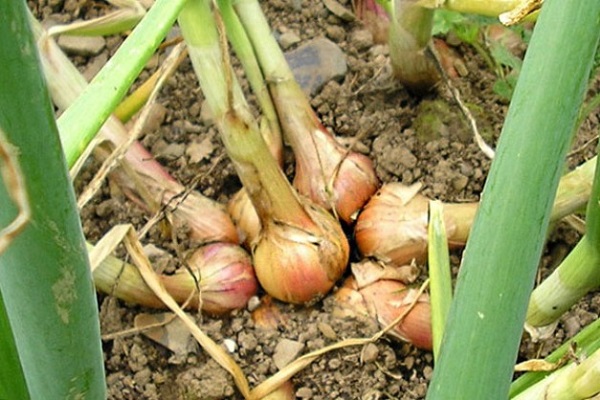
- Beans and onions planted under a shade tree. The shade from the tree helps to protect the beans from the hot sun, while the onions benefit from the additional moisture.
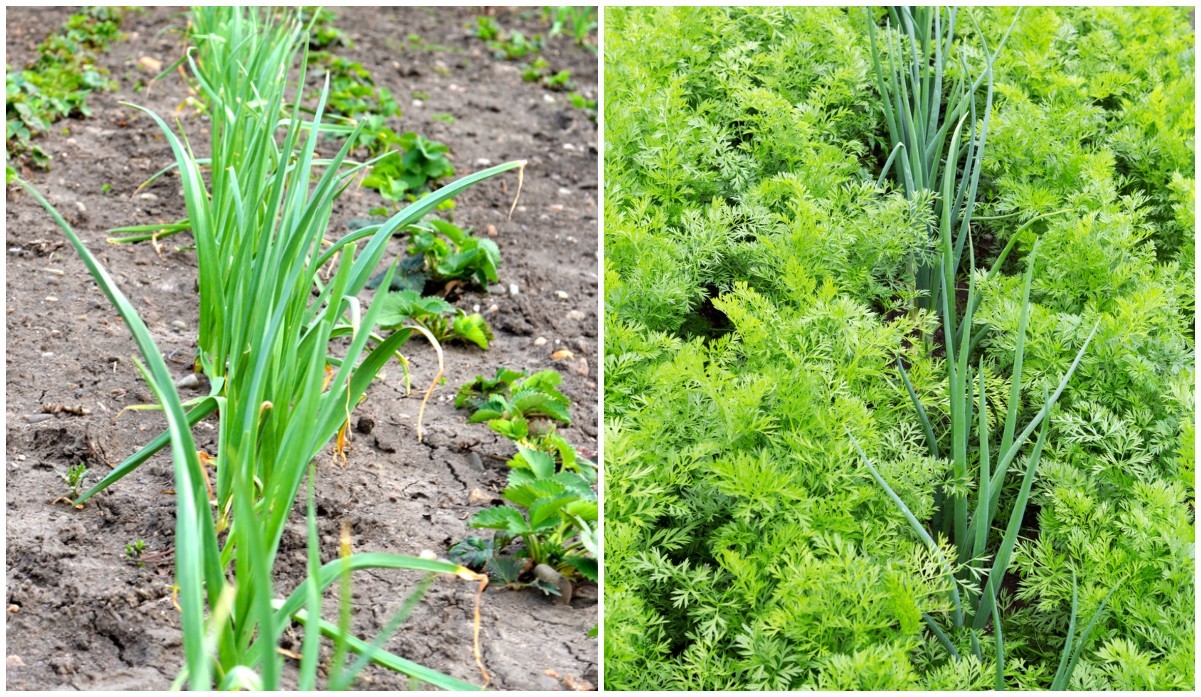
- Beans and onions planted with a companion plant. Some good companion plants for beans and onions include carrots, lettuce, and tomatoes.
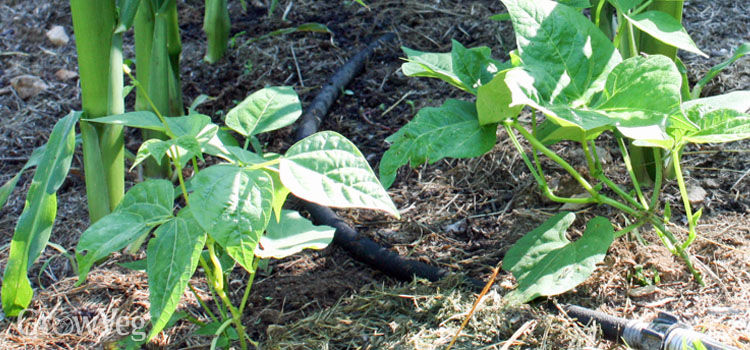
- Beans and onions planted in a succession planting. This means that beans are planted first, followed by onions a few weeks later. This helps to ensure that there is a continuous harvest of vegetables.
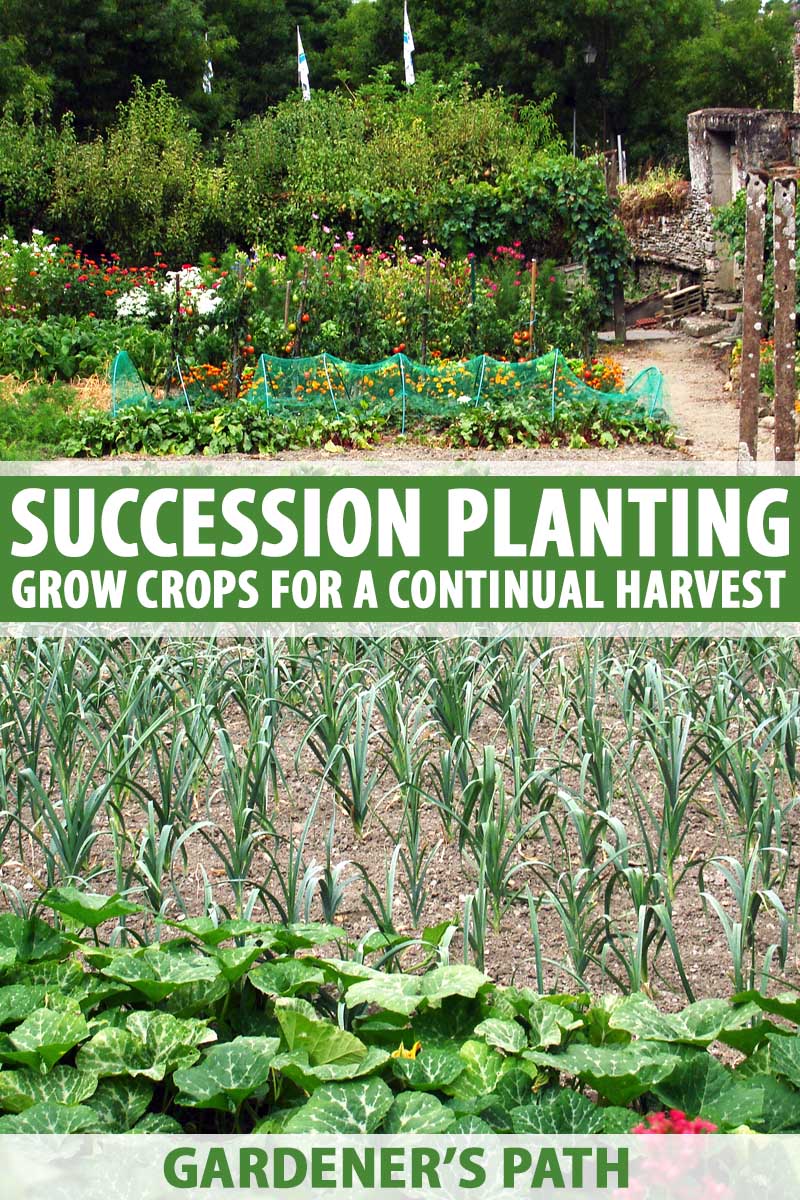
- Beans and onions planted in a permaculture garden. Permaculture gardens are designed to mimic natural ecosystems and to create a sustainable food system. Beans and onions are often planted together in permaculture gardens because they benefit each other.
- Beans and onions planted in an urban garden. Beans and onions are relatively easy to grow and can be planted in small spaces, making them ideal for urban gardens.
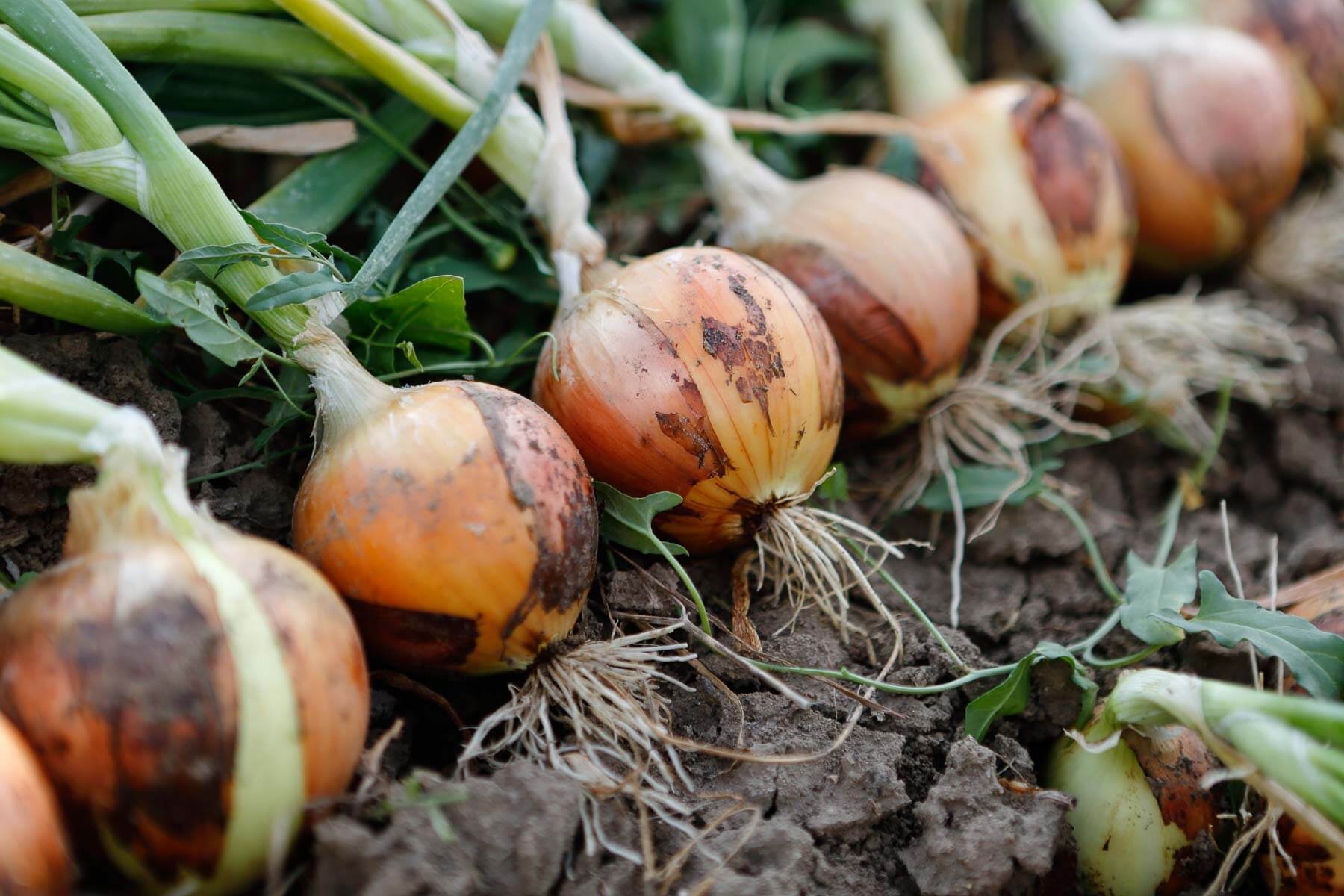
- Beans and onions planted in a school garden. Beans and onions are a good choice for school gardens because they are easy for children to grow and learn about.


Post a Comment for "Beans And Onions: The Perfect Companion Planting"